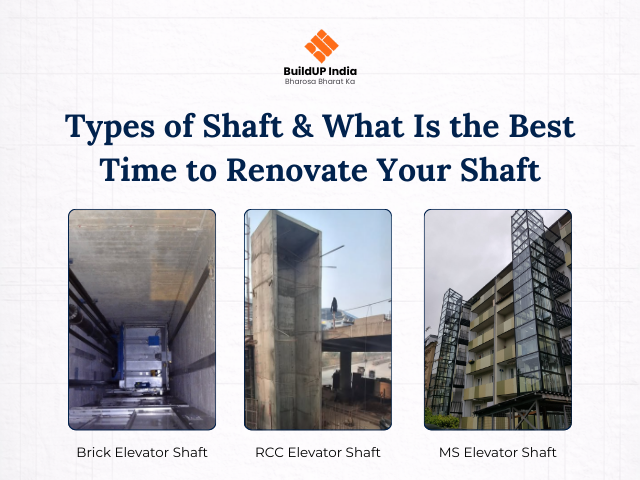
How to Choose Best Elevator for Homes and Commercial Buildings: A Complete Buyer’s Guide
How to Choose Best Elevator for Homes and Commercial Buildings: A Complete Buyer’s Guide

Category
Elevators
Date Released
26 December, 2025
Selecting the right elevator is a long-term investment that directly impacts convenience, safety, and property value. Whether you are planning for a residential building, commercial complex, hospital, or private home, knowing how to choose best elevator helps ensure smooth mobility and reliable performance for years. With multiple brands, models, and technologies available, the process can feel overwhelming. This guide simplifies your decision-making and helps you understand exactly how to choose best elevator for your specific needs.
1. Understand Your Building Requirements
The first step in determining how to choose best elevator is to assess the building’s structure and passenger movement. Consider:
Number of floors
Expected daily traffic
Available shaft space
Purpose (residential, commercial, freight, hospital, home lift)
Speed requirements
Commercial buildings with heavy footfall need high-speed and high-capacity elevators, while homes require compact and energy-efficient models.
2. Choose the Right Elevator Type
Understanding different elevator types helps you decide how to choose best elevator efficiently. Common options include:
Passenger Elevators
Ideal for residential and commercial buildings.
Home Elevators
Compact, silent, and suitable for villas, duplexes, and bungalows.
Freight/Goods Elevators
Designed to carry heavy loads for industrial or warehouse use.
Hospital Elevators
Wide cabin design for stretchers and medical equipment.
MRL (Machine Room-Less) Elevators
Space-saving and energy-efficient, popular in modern buildings.
Hydraulic Elevators
Suitable for low-rise buildings with low to moderate usage.
Selecting the correct type ensures optimal performance.
3. Check Load Capacity and Cabin Size
Load capacity determines how efficiently an elevator handles traffic. One of the key elements in how to choose best elevator is matching lift capacity with real usage. For high-rise commercial buildings, higher capacity is essential, while home lifts generally require 408-544 kg capacity. Cabin size should also comply with building codes and ensure passenger comfort.
4. Evaluate Safety Features
Safety is a top priority when understanding how to choose best elevator. Look for elevators that include:
Automatic Rescue Device (ARD)
Overload sensors
Infrared door sensors
Emergency landing system
Adequate door size for wheel chair accessibility
Alarm and communication system
A reliable elevator company always prioritizes advanced safety protocols.
5. Check Energy Efficiency
Modern elevators are designed to reduce electricity consumption. When learning how to choose best elevator, consider choosing:
Gearless traction systems
Regenerative drive technology
LED cabin lighting
Efficient motors
These features ensure long-term savings and lower environmental impact.
6. Look for Customization Options
A good elevator must match your building’s aesthetics and functional needs. Customization plays a major role in how to choose best elevator. You can choose:
Cabin finishes
Lighting options
Flooring
Door designs
Control panels
Smart digital interfaces
Customization enhances the overall user experience and adds value to your property.
7. Assess Installation and After-Sales Service
Even the best elevator will not perform well without proper installation and regular maintenance. A crucial step in knowing how to choose best elevator is evaluating:
Brand’s installation expertise
Maintenance contracts
Availability of spare parts
Response time during breakdowns
Service team strength in your region
Reliable after-sales service ensures uninterrupted elevator performance throughout its lifespan.
8. Compare Pricing and Warranty
Cost is important, but the cheapest elevator is not always the best. To understand how to choose best elevator, compare:
Features included
Technology used
Warranty duration
Maintenance cost
Long-term operational cost
A slightly higher investment in a premium, durable, and safe elevator can save major expenses in the future.
Conclusion
Understanding how to choose best elevator requires evaluating building needs, elevator type, safety features, customization, efficiency, installation quality, and after-sales service. Selecting the right elevator enhances convenience, improves property value, and ensures long-term safety for users. Take time to compare brands, understand technical features, and choose a company known for reliability.
If you want, I can also write meta title, meta description, and design a featured image prompt for this blog.
FAQs
1. What factors should I consider when choosing the best elevator?
You should consider load capacity, safety features, building height, energy efficiency, customization, and after-sales service.
2. Which type of elevator is best for homes?
Home elevators or MRL elevators are ideal due to their compact size and low energy usage.
3. How important is load capacity when choosing an elevator?
It is very important. Choosing the right capacity ensures safety and avoids frequent breakdowns.
4. What safety features should every elevator have?
ARD, overload sensors, infrared door protection, alarms, and fire-resistant cables are essential.
5. Are machine room-less (MRL) elevators better?
Yes, MRL elevators save space, reduce noise, and are energy efficient, making them a popular modern choice.
6. How often should elevators be maintained?
Elevators should be serviced at least once a month for optimal performance and safety.
7. Can I customize my elevator design?
Yes, most companies offer customization options for cabin interiors, lighting, floors, and panels.
8. How do I know which elevator company to choose?
Look for a company with a proven track record, strong service team, transparent pricing, and high-quality engineering.