Types of Shaft & What Is the Best Time to Renovate Your Shaft
Types of Shaft & What Is the Best Time to Renovate Your Shaft

Category
Shaft construction
Date Released
26 December, 2025
Elevator performance, safety, and lifespan depend heavily on the condition of the shaft. Over time, shafts experience structural wear, alignment issues, water seepage, and compatibility problems with modern elevators. This is where shaft renovation becomes essential. Whether it is a residential building, commercial complex, or institutional facility, understanding the types of shaft and knowing the right time for shaft renovation can help prevent costly failures and ensure long-term elevator reliability.
In this detailed guide, we explain the different types of elevator shafts, signs that indicate the need for renovation, the renovation process, and how BuildUP India approaches shaft renovation with technical precision and safety-first execution.
What Is Shaft Renovation?
Shaft renovation refers to the process of repairing, strengthening, modifying, or upgrading an existing elevator shaft to improve safety, performance, and compatibility with current elevator systems. It may involve structural repairs, waterproofing, dimensional correction, alignment improvement, or preparing the shaft for a new elevator installation.
Shaft renovation is not just a civil activity—it is a critical engineering process that directly impacts elevator functionality.
Types of Elevator Shafts
Understanding the type of shaft in your building is the first step toward effective shaft renovation.
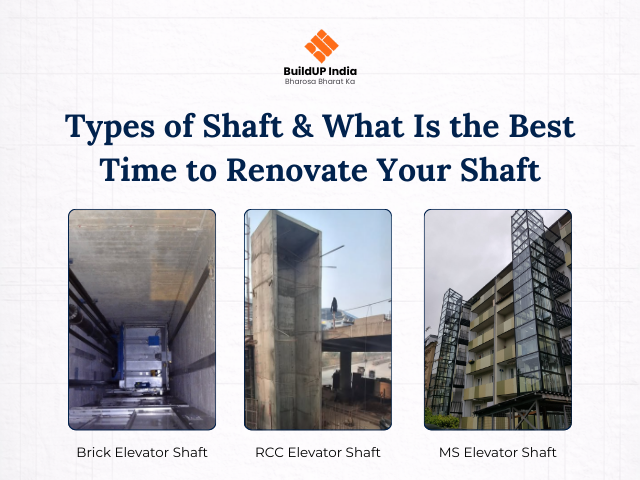
1. RCC (Reinforced Cement Concrete) Shaft
Overview
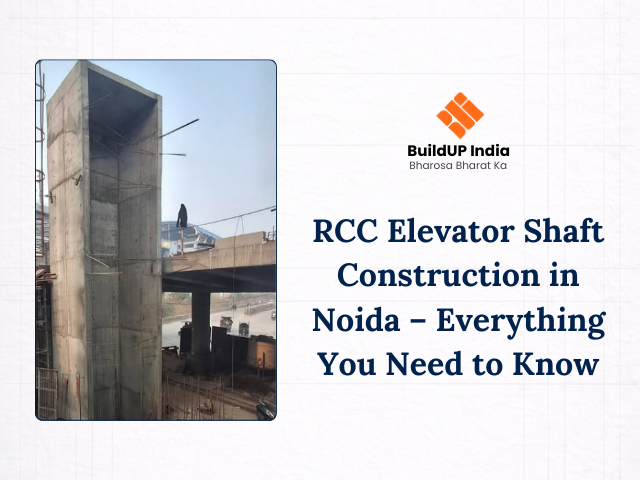
RCC shafts are the most common type used in residential and commercial buildings. They are built using reinforced concrete and offer high strength and fire resistance.
Pros of RCC Shaft
High structural strength and load-bearing capacity
Excellent fire resistance and safety compliance
Long lifespan, often matching the life of the building
Better control over vibration and noise
Ideal for high-rise and high-traffic buildings
Compatible with modern and high-speed elevators
Shaft Renovation Needs
RCC shafts often require crack repair, re-plastering, and alignment correction during renovation.
2. Brick Masonry Shaft
Overview
Brick shafts are typically found in older buildings. They were commonly used before RCC construction became standard.
Pros of Brick Masonry Shaft
Lower initial construction cost
Easily available materials
Simple construction technique
Suitable for low-rise buildings
Can be upgraded through shaft renovation
Works for light-duty elevator applications
Shaft Renovation Needs
Brick shafts usually require structural strengthening, internal RCC lining, or conversion into RCC-compatible shafts.
3. Steel Structure Shaft
Overview
Steel shafts are commonly used for external lifts, retrofitting, and glass elevators.
Pros of Steel Structure Shaft
Faster construction and installation time
Ideal for retrofitting elevators in existing buildings
Lightweight compared to RCC structures
Flexible design options
Suitable for external and space-constrained installations
Minimal disturbance to existing building structure
Shaft Renovation Needs
Steel shaft renovation involves corrosion treatment, repainting, bolt replacement, vibration dampening, and structural reinforcement.
4. Glass / Panoramic Shaft
Overview
Glass shafts are designed for aesthetics and are often used in malls, hotels, and commercial buildings.
Pros of Glass / Panoramic Shaft
High aesthetic appeal and modern look
Enhances visual experience for users
Ideal for commercial buildings, malls, and hotels
Allows natural light penetration
Increases property value and architectural appeal
Suitable for showcase and public-facing elevators
Shaft Renovation Needs
Renovation focuses on seal replacement, frame strengthening, safety glazing upgrades, and structural recalibration.
5. Hybrid Shaft (RCC + Steel)
Overview
Hybrid shafts combine RCC and steel components to balance strength and flexibility.
Pros of Hybrid Shaft
Combines strength of RCC with flexibility of steel
Better adaptability to complex building designs
Suitable for retrofits with structural limitations
Reduced construction time compared to full RCC shafts
Improved load distribution
Compatible with modern elevator technologies
Shaft Renovation Needs
Joint strengthening, re-sealing, and compatibility adjustments are common in hybrid shaft renovation projects.
Why Shaft Renovation Is Important
Ignoring shaft condition can lead to serious safety and operational problems. Shaft renovation ensures:
Safe elevator movement
Reduced breakdown frequency
Compliance with updated safety norms
Improved ride quality
Extended elevator lifespan
Regular evaluation and timely renovation can prevent emergency shutdowns and expensive structural failures.
What Is the Best Time to Renovate Your Shaft?
Knowing when to plan shaft renovation is as important as knowing how.
1. When Water Seepage Is Visible
Water leakage in the pit or shaft walls is a clear sign. Seepage causes corrosion, electrical damage, and structural weakening. Immediate shaft renovation with waterproofing is required.
2. During Elevator Modernization or Replacement
The best time for shaft renovation is when you are upgrading or replacing the elevator system. Renovating the shaft ensures compatibility with modern elevator technology and avoids future rework.
3. When Cracks or Structural Damage Appear
Cracks, spalling concrete, or exposed reinforcement are red flags. Structural repairs must be done before they worsen.
4. When Elevator Performance Declines
Frequent breakdowns, jerky movement, vibration, or noise may indicate shaft alignment or surface issues. Shaft renovation can restore smooth operation.
5. When Building Safety Norms Are Updated
Changes in fire safety, accessibility, or structural regulations may require shaft modifications. Renovation helps maintain compliance.
6. After 15–20 Years of Usage
Even if no visible issues exist, shafts older than 15–20 years should undergo inspection. Preventive shaft renovation increases safety and lifespan.
7. During Building Expansion or Floor Addition
Adding floors changes load dynamics. Shaft strengthening and renovation become necessary to support new loads.
Shaft Renovation Process
Professional shaft renovation follows a systematic approach.
Step 1: Detailed Shaft Inspection
Structural assessment, alignment checks, waterproofing evaluation.
Step 2: Design & Renovation Planning
Customized renovation plan based on shaft type and condition.
Step 3: Repair & Strengthening Work
Crack treatment, RCC jacketing, steel reinforcement, surface repairs.
Step 4: Waterproofing & Finishing
Advanced waterproofing systems and smooth internal finishes.
Step 5: Final Quality & Safety Checks
Plumbness, dimension verification, and compliance review.
BuildUP India follows a precise and safety-driven renovation methodology to ensure long-term reliability.
Why Choose BuildUP India for Shaft Renovation
BuildUP India specializes in shaft renovation across residential, commercial, and institutional buildings. Their approach focuses on:
Deep technical understanding of shaft structures
Customized renovation solutions
Precision execution with modern tools
Strong safety and compliance standards
Long-term durability and performance
BuildUP India treats shaft renovation as a critical engineering upgrade rather than just surface repair.
Cost Factors in Shaft Renovation
The cost of shaft renovation depends on:
Type of shaft
Extent of damage
Height and access conditions
Structural strengthening needs
Investing in proper renovation reduces long-term maintenance and safety risks.
Conclusion
Understanding the types of shaft and identifying the right time for shaft renovation is essential for safe and efficient elevator operation. From RCC and brick shafts to steel and hybrid structures, each type requires a specialized renovation approach.
Timely shaft renovation not only improves elevator performance but also protects your building’s structural integrity. With its technical expertise and safety-first methodology, BuildUP India delivers reliable and future-ready shaft renovation solutions.
Frequently Asked Questions (FAQs)
1. What is shaft renovation in elevators?
Shaft renovation involves repairing, strengthening, and upgrading an existing elevator shaft to improve safety and performance.
2. How often should shaft renovation be done?
A detailed inspection is recommended after 15–20 years or earlier if visible damage appears.
3. Can shaft renovation be done without removing the elevator?
Minor repairs may be possible, but major shaft renovation usually requires temporary elevator shutdown.
4. Is shaft renovation mandatory during elevator modernization?
It is highly recommended to ensure compatibility and long-term reliability.
5. What are common signs that shaft renovation is needed?
Water leakage, cracks, vibration, frequent breakdowns, and visible deterioration.
6. How long does shaft renovation take?
Duration varies from a few days to several weeks, depending on scope and shaft condition.
7. Is RCC shaft better than brick shaft?
Yes, RCC shafts offer higher strength, durability, and compatibility with modern elevators.
8. Why choose BuildUP India for shaft renovation?
BuildUP India provides expert-led, safe, and durable shaft renovation solutions tailored to each building’s needs.