RCC Elevator Shaft Construction in Delhi NCR– Everything You Need to Know
RCC Elevator Shaft Construction in Delhi NCR– Everything You Need to Know

Category
Elevator Shaft
Date Released
29 January, 2026
RCC elevator shaft construction is one of the most critical aspects of any modern building project. In a fast-developing city like Delhi NCR, where high-rise residential towers, commercial complexes, IT parks, and mixed-use developments are growing rapidly, the quality of elevator shaft construction directly impacts safety, performance, and long-term reliability. A properly constructed RCC elevator shaft ensures smooth elevator operation, compliance with safety norms, and durability for decades.
This blog explains everything you need to know about RCC elevator shaft construction in Delhi NCR, including its importance, construction process, challenges, best practices, and why professional execution is essential.
What Is an RCC Elevator Shaft?
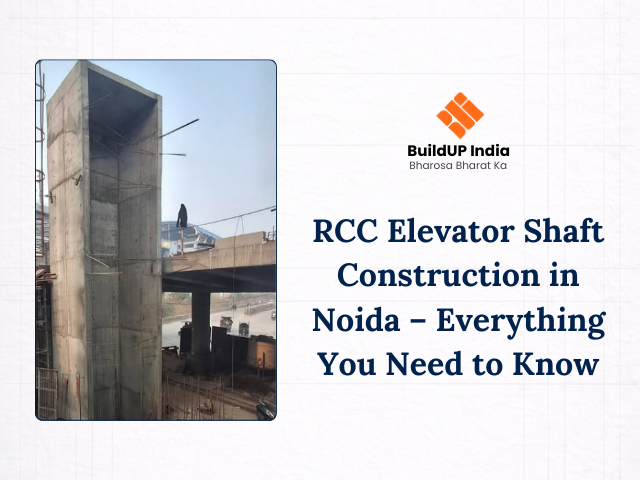
An RCC (Reinforced Cement Concrete) elevator shaft is a vertical structural enclosure made of reinforced concrete that houses the elevator car, guide rails, counterweights, cables, and safety systems. It forms a permanent part of the building’s structure and is designed to withstand loads, vibrations, fire, and environmental conditions.
In Delhi NCR, RCC elevator shafts are preferred because they offer high strength, fire resistance, stability, and compatibility with modern elevator technologies such as machine-room-less systems.
Why RCC Elevator Shaft Construction Is Important in Delhi NCR
Delhi NCR construction environment presents specific challenges such as high-rise density, varying soil conditions, groundwater issues, and strict building regulations. Proper RCC elevator shaft construction helps address these challenges by ensuring safe and smooth vertical transportation, structural stability of the building, compliance with fire and safety norms, reduced vibration and noise, and long-term durability with minimal maintenance.
Any compromise in shaft construction can lead to frequent breakdowns, safety risks, and costly renovations later.
Key Components of RCC Elevator Shaft Construction
Shaft walls form the RCC enclosure and are designed to support elevator loads while maintaining alignment across the building height.
The lift pit is the lowest part of the shaft and provides space for buffers and maintenance access. In Delhi NCR, pit waterproofing is especially important due to groundwater conditions.
Headroom is the space above the top floor that allows safe elevator operation and emergency movement.
Door openings must be accurately aligned at each floor for proper door installation and safe passenger movement.
Guide rail fixing points are embedded inserts or sleeves cast into the RCC walls to support elevator guide rails.
Step-by-Step RCC Elevator Shaft Construction Process
The process begins with design coordination and planning. Architectural layouts, structural drawings, and elevator specifications are aligned to finalize shaft dimensions, pit depth, headroom, and load requirements.
Next comes site marking and excavation. The shaft location is marked precisely, excavation is carried out to the required depth, and base preparation including PCC is completed.
Pit waterproofing follows, which is critical in Delhi NCR due to groundwater levels. Waterproofing membranes or chemical treatments are applied to prevent seepage.
Reinforcement and shuttering are then installed. Steel reinforcement is placed according to structural drawings, and shuttering is aligned using precision tools to maintain verticality.
RCC casting is carried out in controlled stages. Concrete is vibrated properly to avoid honeycombing, and cube tests are conducted to ensure strength compliance.
Curing and de-shuttering are done after casting. Proper curing ensures durability, and surfaces are inspected after shuttering removal.
Finally, finishing and alignment checks are performed. Internal surfaces are finished, door openings are verified, and plumbness and dimensions are checked before elevator installation.
Common Challenges in RCC Elevator Shaft Construction in Delhi NCR
Common challenges include water seepage in lift pits, dimensional inaccuracies due to improper shuttering, misalignment over building height, coordination gaps between civil and elevator teams, and limited site space in dense urban projects.
These challenges can be avoided with proper planning, quality control, and experienced execution.
Best Practices for RCC Elevator Shaft Construction
Early coordination with elevator specifications is essential. Laser tools should be used for alignment and plumbness checks. High-quality concrete and reinforcement must be ensured. Proper waterproofing of the pit and shaft walls is critical. Regular inspections at every stage help avoid errors. Compliance with safety and fire norms must never be compromised.
Cost Factors in RCC Elevator Shaft Construction in Delhi NCR
Cost depends on the number of floors, shaft dimensions, pit depth, waterproofing requirements, reinforcement quantity, and site conditions. While cost control is important, compromising on quality often leads to higher maintenance and renovation expenses later.
Why Professional Execution Matters
RCC elevator shaft construction is a precision-driven engineering task, not just routine civil work. Professional execution ensures accurate dimensions, smooth elevator installation, better performance, and long-term structural reliability.
BuildUP India follows a technically driven and safety-focused approach to RCC elevator shaft construction, ensuring dependable results for projects in Delhi NCR.
Conclusion
RCC elevator shaft construction in Delhi NCR is a foundational element of modern building development. From planning and excavation to RCC casting and final checks, every stage requires technical accuracy and expertise. A well-constructed shaft ensures safety, smooth elevator operation, and long-term performance.
With a quality-driven and safety-first approach, BuildUP India delivers RCC elevator shaft construction solutions that meet modern standards and stand the test of time.
Frequently Asked Questions (FAQs)
Why is RCC preferred for elevator shaft construction in Delhi NCR?
RCC provides high strength, fire resistance, durability, and compatibility with modern elevators.How long does RCC elevator shaft construction take?
Typically 4 to 8 weeks, depending on building height and site conditions.Is waterproofing necessary for RCC elevator shafts in Delhi NCR?
Yes, groundwater conditions make pit and shaft waterproofing essential.Can RCC elevator shafts be built in existing buildings?
Yes, but detailed structural assessment and careful execution are required.What concrete grade is commonly used for RCC elevator shafts?
Usually M25 or higher, depending on structural design.How is shaft alignment ensured during construction?
Laser levels and precision plumb tools are used throughout construction.Does RCC shaft construction affect elevator performance?
Yes, accurate construction ensures smooth movement, reduced vibration, and longer elevator life.
Why choose BuildUP India for RCC elevator shaft construction in Delhi NCR?
BuildUP India offers technical expertise, safety compliance, and durable execution tailored to modern building needs.