Residential Shaft Construction Guide: Dimensions, Load & Safety Norms
Residential Shaft Construction Guide: Dimensions, Load & Safety Norms

Category
Elevator shaft
Date Released
29 January, 2026
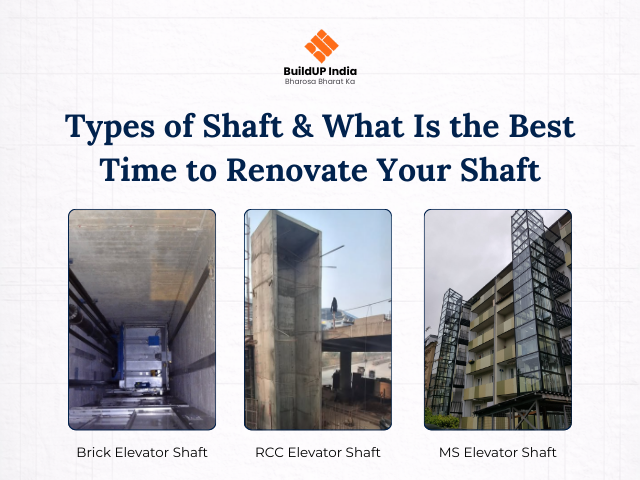
Residential elevators are becoming a standard feature in modern homes, builder floors, villas, and low-rise apartments across India. While most homeowners focus on selecting the elevator brand or cabin design, the true foundation of elevator safety and performance lies in accurate Shaft Construction. A poorly executed shaft can compromise even the most advanced elevator system, leading to vibration, noise, safety risks, and high maintenance costs.
This blog explains everything homeowners, architects, and builders must know about residential Shaft Construction, including ideal dimensions, structural load requirements, and mandatory safety norms.
Why Shaft Construction Is Critical in Residential Buildings
Shaft Construction is not just a civil activity; it is a precision structural task. The elevator shaft houses moving mechanical components that operate under continuous load. Any deviation in shaft dimensions, alignment, or quality directly impacts elevator performance.
In residential buildings, where space margins are limited, accuracy becomes even more important. Correct Shaft Construction ensures smooth ride quality, reduced noise, longer equipment life, and enhanced safety for residents of all ages.
Ideal Shaft Dimensions for Residential Elevators
Residential Shaft Construction dimensions depend on elevator type, load capacity, and number of floors. However, certain minimum standards are commonly followed for safe operation.
For a standard residential elevator with a capacity of 4 to 6 persons, internal shaft dimensions typically range between 1450 mm x 1450 mm to 1600 mm x 1600 mm. These dimensions allow sufficient clearance for the cabin, guide rails, counterweight, and safety systems.
It is important to note that shaft dimensions should never be finalised without confirming elevator specifications. Proper Shaft Construction always begins after elevator planning, not before. A professional approach avoids costly modifications later.
Pit Depth Requirements in Residential Shaft Construction
The elevator pit is one of the most critical components of Shaft Construction. Pit depth affects buffer performance, safety clearance, and emergency braking effectiveness.
For most residential elevators, pit depth ranges between 1000 mm and 1200 mm, depending on elevator design. Incorrect pit depth is a common mistake in residential projects and often results in compromised safety.
Waterproofing is equally important. Residential pits are vulnerable to groundwater seepage. High-quality Shaft Construction includes proper waterproofing, drainage, and finishing to protect elevator components.
Overhead Clearance and Roof Planning
Overhead clearance refers to the vertical space above the topmost floor level. In residential Shaft Construction, overhead height is often constrained due to architectural limitations.
Typically, overhead clearance ranges from 3500 mm to 4200 mm, depending on the elevator model. Insufficient overhead space can restrict equipment movement and violate safety norms.
Accurate Shaft Construction requires coordination with roof slab levels, machine placement, and elevator drawings. Planning overhead clearance early prevents structural rework later.
Load Requirements and Structural Design
Residential Shaft Construction must be designed to handle both static and dynamic loads. Static load includes the weight of the shaft structure itself, while dynamic load comes from elevator movement, passengers, and counterweights.
RCC design must account for vertical loads, lateral forces, and vibration control. Proper reinforcement detailing, concrete grade selection, and shuttering quality are essential for long-term durability.
Many residential elevator issues arise due to under-designed shafts. Professional Shaft Construction ensures that load paths are properly transferred to the foundation without stressing surrounding structural elements.
Verticality and Alignment Accuracy
Vertical alignment is one of the most important quality parameters in Shaft Construction. Even minor deviations can cause guide rail misalignment, leading to vibration, noise, and uneven leveling.
Residential buildings often suffer from execution errors due to limited supervision. A reliable Shaft Construction process includes continuous verticality checks at every floor level using precision instruments.
Perfect alignment ensures smooth elevator travel and significantly reduces long-term maintenance costs.
Safety Norms in Residential Shaft Construction
Safety norms exist to protect both passengers and maintenance personnel. Residential Shaft Construction must comply with applicable building standards and elevator safety requirements.
Key safety considerations include adequate wall thickness, fire-resistant materials, emergency access provisions, and proper clearances. Shaft walls must be free of protrusions or obstructions that could interfere with elevator movement.
The shaft should also allow safe access for maintenance work. Ignoring safety norms during Shaft Construction can result in inspection failures and operational risks.
Coordination Between Civil and Elevator Planning
One of the most common residential mistakes is building the shaft before finalising the elevator. Effective Shaft Construction requires coordination between architects, structural engineers, and elevator specialists.
Shaft drawings should be reviewed against elevator layouts, load data, and clearance requirements. Changes after RCC completion are expensive and structurally risky.
Experienced companies such as Build Up India emphasise this coordination, ensuring that residential Shaft Construction aligns perfectly with elevator systems.
Cost Factors in Residential Shaft Construction
The cost of Shaft Construction depends on several variables, including building height, shaft dimensions, RCC complexity, pit depth, and waterproofing requirements.
Residential shaft costs are often underestimated, leading to compromises in quality. Transparent cost planning ensures that critical elements such as reinforcement, shuttering accuracy, and waterproofing are not ignored.
Investing in proper Shaft Construction reduces future expenses related to vibration correction, breakdowns, and structural repairs.
Quality Control and Supervision
Residential projects often lack strict quality monitoring. However, Shaft Construction demands consistent supervision at every stage, from excavation to final finishing.
Quality control includes checking reinforcement placement, formwork alignment, concrete pouring, curing, and dimensional accuracy. Documentation and measurement records help ensure accountability.
Homes with well-executed Shaft Construction experience smoother elevator operation and fewer service issues over time.
Conclusion
Residential Shaft Construction is the foundation of a safe, smooth, and reliable elevator system. Ideal dimensions, correct load handling, strict safety norms, and precise execution determine how well the elevator performs throughout its life.
Homeowners and builders should treat Shaft Construction as a specialised engineering task rather than routine civil work. Proper planning, coordination, and supervision ensure long-term safety, comfort, and value.
Frequently Asked Questions
What is Shaft Construction in residential buildings?
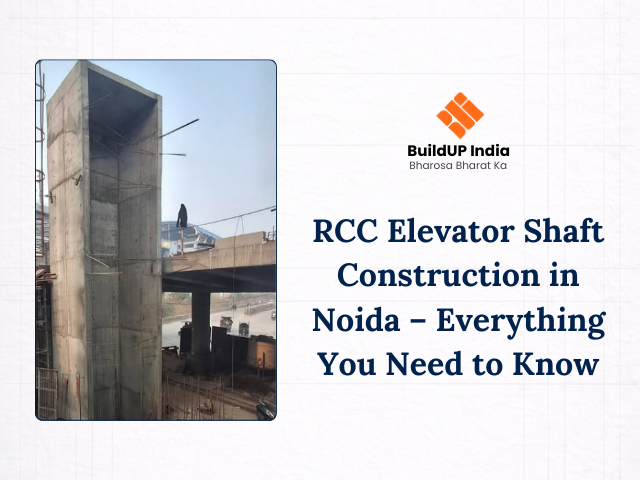
Shaft Construction refers to building the RCC vertical structure that houses the elevator system in a residential building.
What are ideal shaft dimensions for a home elevator?
Dimensions depend on elevator type and capacity, but most residential Shaft Construction ranges between 1450 mm to 1600 mm internal width.
How important is pit depth in Shaft Construction?
Pit depth is critical for safety and buffer performance. Incorrect depth can compromise elevator operation.
Can shaft construction start before selecting the elevator?
No. Shaft Construction should only begin after finalising elevator specifications to ensure compatibility.
Does shaft construction affect elevator noise and vibration?
Yes. Accurate Shaft Construction significantly reduces vibration and noise during operation.
What safety norms apply to residential shaft construction?
Safety norms include correct clearances, wall strength, fire resistance, and maintenance access.
How much does residential shaft construction cost?
Cost varies based on size, height, and RCC complexity. Proper Shaft Construction is a long-term investment.
Can errors in shaft construction be corrected later?
Corrections are difficult and expensive. Proper Shaft Construction from the start is always recommended