Top Elevator Companies for Low-Rise & High-Rise Buildings: Which One Should You Choose?
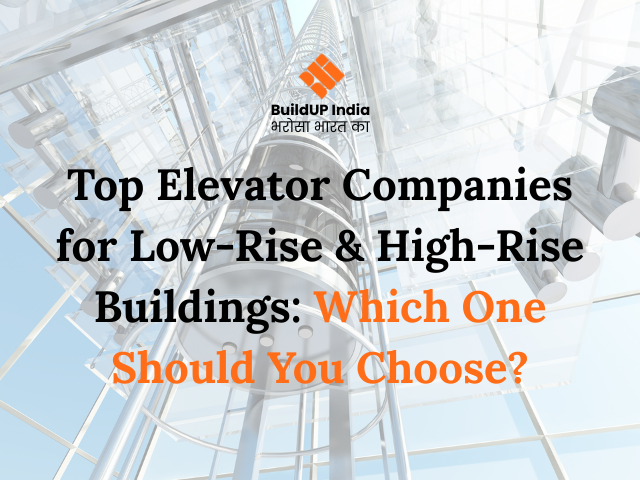
Top Elevator Companies for Low-Rise & High-Rise Buildings: Which One Should You Choose?

Category
Elevator Comapny
Date Released
29 January, 2026
With India’s skyline evolving rapidly, elevators have become a core component of modern infrastructure. Whether it is a low-rise residential building or a high-rise commercial tower, selecting from the Top Elevator Companies is a decision that directly impacts safety, efficiency, and long-term operational costs. However, the requirements of low-rise and high-rise buildings differ significantly, and not every elevator company is equipped to handle both effectively.
This blog explains how the Top Elevator Companies cater to low-rise and high-rise buildings, the key differences in technology and execution, and how to choose the right partner for your project.
Understanding the Difference Between Low-Rise and High-Rise Elevator Needs
Low-rise buildings typically range from two to five floors and are common in residential apartments, villas, and small commercial properties. High-rise buildings, on the other hand, involve complex vertical transportation systems designed for heavy usage, higher speeds, and advanced safety requirements.
The Top Elevator Companies understand that these two building types require different engineering approaches. Using the same elevator specifications for both often results in inefficiency, discomfort, or unnecessary cost escalation.
Why Choosing Among the Top Elevator Companies Matters
An elevator is a long-term system expected to operate reliably for 20 to 30 years. Choosing from the Top Elevator Companies ensures that the elevator is not only installed correctly but also supported with proper maintenance, spare parts availability, and technical expertise.
Companies that lack experience in specific building categories may deliver suboptimal results. The Top Elevator Companies have proven experience across residential and commercial projects, allowing them to customise solutions rather than offering generic models.
Elevator Solutions for Low-Rise Buildings
Low-rise buildings prioritise comfort, energy efficiency, space optimisation, and affordability. The Top Elevator Companies design low-rise elevators with compact machinery, smooth acceleration, and minimal noise. Speed requirements are moderate, and the focus is on reliability and user comfort.
Shaft size and civil constraints are common challenges in low-rise projects. The Top Elevator Companies conduct proper site assessments to ensure accurate shaft dimensions, pit depth, and overhead clearance. This prevents vibration, misalignment, and frequent breakdowns.
Energy efficiency is another critical factor. Elevators in low-rise buildings operate fewer trips per day, making optimised power consumption essential. The Top Elevator Companies offer solutions that balance performance with reduced operational costs.
Elevator Solutions for High-Rise Buildings
High-rise buildings demand advanced vertical transportation systems capable of handling heavy passenger traffic, higher speeds, and continuous operation. The Top Elevator Companies invest heavily in technology and engineering to meet these requirements.
High-rise elevators require precise load calculations, advanced control systems, and superior safety mechanisms. Traffic analysis plays a major role, especially in commercial towers, hospitals, and hotels. The Top Elevator Companies design elevator groups that minimise waiting time and prevent congestion during peak hours.
Structural integration is another challenge. Shaft accuracy, guide rail alignment, and vibration control are critical in high-rise installations. The Top Elevator Companies coordinate closely with RCC and architectural teams to ensure flawless execution.
Technology Differences Among Top Elevator Companies
Technology adoption varies across the Top Elevator Companies. Global brands focus on high-speed systems, destination control technology, and advanced automation, making them popular for premium high-rise projects. Companies such as Otis, KONE, and Schindler are known for their cutting-edge systems in tall buildings.
Indian engineering-focused companies, including Build Up India, specialise in adapting technology to real-world site conditions. This approach is particularly effective for low-rise and mid-rise buildings where civil variations are common.
When evaluating the Top Elevator Companies, it is important to assess whether the technology aligns with your building’s actual needs rather than paying for unnecessary features.
Safety Standards Across Building Types
Safety requirements increase significantly with building height. The Top Elevator Companies implement multiple layers of safety systems, including emergency braking, overload sensors, door interlocks, and backup power operation.
In high-rise buildings, fire integration, seismic considerations, and emergency evacuation protocols become critical. The Top Elevator Companies ensure compliance with applicable safety norms and conduct thorough testing before commissioning.
Low-rise buildings also require strict safety measures, particularly for residential use. Smooth leveling, child-safe doors, and emergency communication systems are standard offerings from the Top Elevator Companies.
Cost Comparison and Long-Term Value
Cost is often a deciding factor when choosing among the Top Elevator Companies, but it should never be evaluated in isolation. Low-rise elevators generally have lower installation and maintenance costs, while high-rise systems involve higher initial investment and AMC expenses.
The Top Elevator Companies provide transparent cost breakdowns, helping clients understand the long-term financial implications. A slightly higher upfront cost often results in lower maintenance expenses and better reliability over time.
Service and Maintenance Considerations
Regardless of building height, service quality plays a crucial role in elevator performance. The Top Elevator Companies offer structured Annual Maintenance Contracts with preventive maintenance schedules, trained technicians, and quick response times.
High-rise buildings require more frequent servicing due to higher usage intensity. The Top Elevator Companies design AMC plans accordingly, ensuring consistent performance and minimal downtime.
Which Should You Choose for Your Project
For low-rise residential and small commercial projects, companies that focus on execution quality, energy efficiency, and responsive service offer the best value. For high-rise commercial towers and premium developments, companies with advanced technology, traffic management expertise, and large service networks are more suitable.
Understanding your building type and usage pattern is the key to selecting the right partner from the Top Elevator Companies.
Conclusion
Choosing among the Top Elevator Companies for low-rise and high-rise buildings requires a clear understanding of technical requirements, safety standards, and long-term service needs. Elevators are not one-size-fits-all systems, and the right choice depends on building height, usage, and budget.
The Top Elevator Companies differentiate themselves through engineering expertise, customised solutions, and dependable after-sales support. Making an informed decision ensures safety, comfort, and long-term operational efficiency.
Frequently Asked Questions
Which are the Top Elevator Companies for low-rise buildings?
The Top Elevator Companies for low-rise buildings are those that specialise in compact, energy-efficient systems with strong execution and service support.
Are the Top Elevator Companies for high-rise buildings different?
Yes, high-rise projects often require companies with advanced technology, high-speed systems, and traffic management expertise, which the Top Elevator Companies provide.
Is it necessary to choose a global brand for high-rise buildings?
Not always. Many Indian companies within the Top Elevator Companies category deliver excellent high-rise solutions when engineering and execution are strong.
How does elevator cost differ between low-rise and high-rise buildings?
High-rise elevators generally cost more due to speed, load capacity, and safety requirements. The Top Elevator Companies provide transparent pricing based on building needs.
What role does maintenance play in elevator performance?
Maintenance is critical for safety and longevity. The Top Elevator Companies offer preventive AMC plans to minimise breakdowns and downtime.
Can one elevator company handle both low-rise and high-rise projects?
Yes, but only experienced providers within the Top Elevator Companies category can effectively handle both with proper customisation.
How long do elevators last in residential and commercial buildings?
With proper installation and AMC from the Top Elevator Companies, elevators can operate safely for 20–30 years.
What is the most important factor when choosing an elevator company?
Engineering expertise, safety compliance, and long-term service reliability are the most important factors when selecting from the Top Elevator Companies.