What Are the Common Problems in Old Elevator Shafts?
What Are the Common Problems in Old Elevator Shafts?

Category
Elevator Shaft
Date Released
03 March, 2026
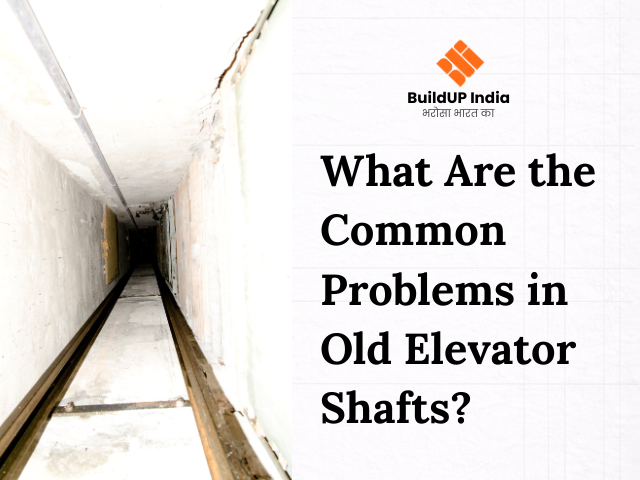
Old buildings often have elevator shafts that are many years old. Over time, wear and tear can create problems.
An elevator shaft is the vertical structure where the lift moves up and down. If the shaft becomes weak or damaged, the elevator may not work properly.
Let’s understand the most common problems found in old elevator shafts in very simple language.
1. Cracks in Concrete Walls
One of the most common problems is cracks in the shaft walls.
Over time, concrete can develop:
Small hairline cracks
Large visible cracks
Broken concrete pieces
These cracks may happen because of:
Building settlement
Age of structure
Poor construction quality
If cracks become large, they can weaken the shaft structure.
2. Water Leakage
Water leakage is a serious issue in old elevator shafts.
You may notice:
Wet walls
Water dripping
Damp smell
Water can enter due to:
Roof leakage
Broken plumbing lines
Poor waterproofing
Water can damage metal parts and electrical systems. It can also cause rust.
3. Rust and Corrosion
Old elevator shafts often have metal parts like:
Guide rails
Support brackets
Steel frames
If moisture is present, rust can form.
Rust weakens metal and reduces safety. If not repaired, it may cause operational problems.
4. Misalignment of Guide Rails
The elevator moves on guide rails inside the shaft.
In old shafts:
Rails may shift slightly
Brackets may loosen
Structure may settle
This can cause:
Shaking
Jerking movement
Noise during operation
Misalignment is a common problem in older buildings.
5. Poor Ventilation
Old shafts may not have proper ventilation.
This can cause:
Heat build-up
Moisture accumulation
Unpleasant smell
Poor ventilation can reduce the life of elevator components.
6. Dust and Debris Accumulation
Over time, dust and debris collect inside the shaft.
You may find:
Dirt layers
Construction waste
Fallen concrete pieces
Too much debris can affect smooth movement of the lift.
Regular cleaning is important.
7. Weak Structural Strength
In very old buildings, the shaft structure may become weak.
Signs include:
Bulging walls
Uneven surfaces
Loose concrete
If the structure is weak, it may need reinforcement or repair.
8. Outdated Design Standards
Old elevator shafts were built using old safety standards.
Modern elevators may require:
Better alignment
Stronger support
Updated safety features
Sometimes shaft modification is needed during lift modernization.
Why These Problems Should Not Be Ignored
Ignoring shaft problems can lead to:
Frequent elevator breakdowns
Higher maintenance costs
Safety risks
Legal issues
Regular inspection helps detect problems early.
Repairing small issues early is always cheaper than major repairs later.
Final Answer
So, what are the common problems in old elevator shafts?
The most common issues include:
Cracks in concrete walls
Water leakage
Rust and corrosion
Guide rail misalignment
Poor ventilation
Dust and debris build-up
Weak structural strength
Outdated design standards
Old shafts need regular inspection and maintenance to ensure safe elevator operation.
FAQs
1. How often should old elevator shafts be inspected?
At least once a year by professionals.
2. Is water leakage dangerous for elevator shafts?
Yes, it can damage metal and electrical parts.
3. Can cracks in shaft walls be repaired?
Yes, cracks can be repaired using proper structural methods.
4. Why does an old elevator shake?
It may be due to guide rail misalignment or structural issues.
5. Does rust affect elevator safety?
Yes, rust weakens metal components.
6. Can old shafts support modern elevators?
Sometimes modifications are required.
7. Is repairing an old shaft expensive?
Cost depends on damage level, but early repair is cheaper than major reconstruction.