
What Happens If an Elevator Shaft Gets Damaged?
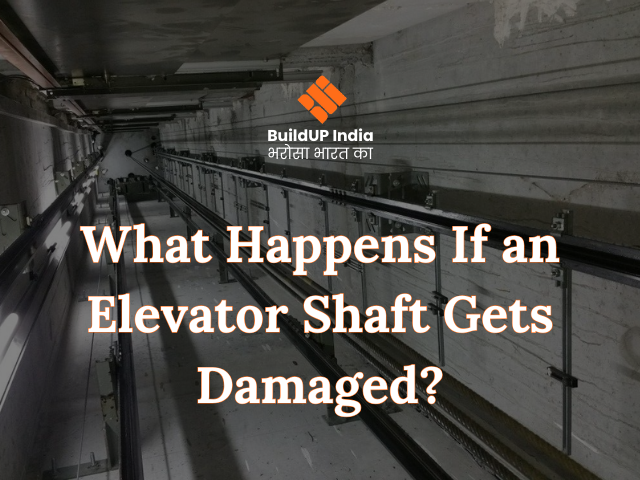
What Happens If an Elevator Shaft Gets Damaged?

Category
Elevator Shaft
Date Released
05 March, 2026
An elevator shaft is the main vertical structure where the lift moves up and down. It supports the guide rails, cables, and other important parts of the elevator.
If the elevator shaft gets damaged, it can cause serious problems.
Let’s understand clearly what can happen in very simple language.
1. Elevator May Not Move Properly
The elevator car moves inside the shaft on guide rails.
If the shaft is damaged:
Guide rails may shift
Alignment may change
Brackets may loosen
Because of this, the lift may:
Shake
Move unevenly
Stop between floors
Smooth movement depends on a strong and straight shaft.
2. Increased Safety Risk
Safety is the most important reason why shaft damage is serious.
If the shaft structure becomes weak:
It may not properly support the elevator system
Components may loosen
Structural strength may reduce
In extreme cases, severe structural damage can create dangerous situations.
That is why shaft inspection is very important.
3. Frequent Elevator Breakdowns
When the shaft is damaged, the elevator may start breaking down often.
You may notice:
Sudden stops
Door problems
Error messages
Repeated service calls
This happens because internal parts are affected by poor alignment or structural movement.
Frequent breakdowns increase maintenance cost.
4. Unusual Noise and Vibration
A healthy elevator moves smoothly and quietly.
If the shaft is damaged, you may hear:
Grinding sounds
Rubbing noise
Metal hitting sounds
You may also feel vibration or jerking during movement.
These are warning signs that something inside the shaft is not properly aligned.
5. Water and Moisture Problems
If the shaft walls are cracked or damaged, water can enter.
Water inside the shaft can cause:
Rust on metal parts
Damage to electrical components
Weakening of structure
Moisture problems should be fixed quickly to avoid bigger damage.
6. Higher Repair Costs
Small damage, if ignored, can become bigger over time.
For example:
A small crack can turn into a large structural crack.
Slight misalignment can damage guide rails.
If not repaired early, repair costs can become much higher.
Preventive repair is always cheaper.
7. Lift Shutdown
If damage becomes serious, authorities or maintenance teams may stop the elevator for safety reasons.
This can cause:
Inconvenience to residents
Problems in hospitals or offices
Business delays
In commercial buildings, lift shutdown can affect daily operations.
8. Legal and Safety Issues
In many places, building owners are responsible for elevator safety.
If shaft damage causes accidents:
There may be legal problems.
Insurance claims may become complicated.
Regular inspection and timely repair help avoid such issues.
Why Quick Action Is Important
If you notice:
Cracks in shaft walls
Water leakage
Excessive vibration
Frequent breakdown
It is important to call professionals for inspection.
Early repair ensures:
Safe operation
Longer elevator life
Lower maintenance cost
Final Answer
So, what happens if an elevator shaft gets damaged?
It can cause:
Uneven movement
Shaking and noise
Frequent breakdowns
Safety risks
Water damage
Higher repair costs
Possible lift shutdown
An elevator shaft is a critical structural part of a building. Any damage should be inspected and repaired quickly to ensure safety and smooth operation.
Related post



Frequently Asked Questions
Yes, it can create safety risks if not repaired.